West Hampstead removals for flats with stair access problems
If you live in a West Hampstead flat and the stairs are narrow, awkward, or just plain unforgiving, you already know the move is not going to be a simple carry-and-go job. West Hampstead removals for flats with stair access problems need more thought, more preparation, and a crew that understands how to protect both your belongings and the building itself. The good news? With the right plan, even a tricky top-floor move can be handled smoothly.
This guide breaks down what actually matters: how these moves work, where the real risks are, what to ask before you book, and how to avoid the classic last-minute chaos. If you are weighing up a move from a maisonette, a converted Victorian flat, or a walk-up apartment, this should help you feel a lot more in control. Truth be told, that calm feeling is worth a lot on moving day.
- Why it matters
- How it works
- Key benefits and practical advantages
- Who this is for and when it makes sense
- Step-by-step guidance
- Expert tips for better results
- Common mistakes to avoid
- Tools, resources and recommendations
- Law, compliance, standards, or best practice
- Options, methods, or comparison table
- Case study or real-world example
- Practical checklist
- Conclusion
- Frequently asked questions
Why West Hampstead removals for flats with stair access problems Matters
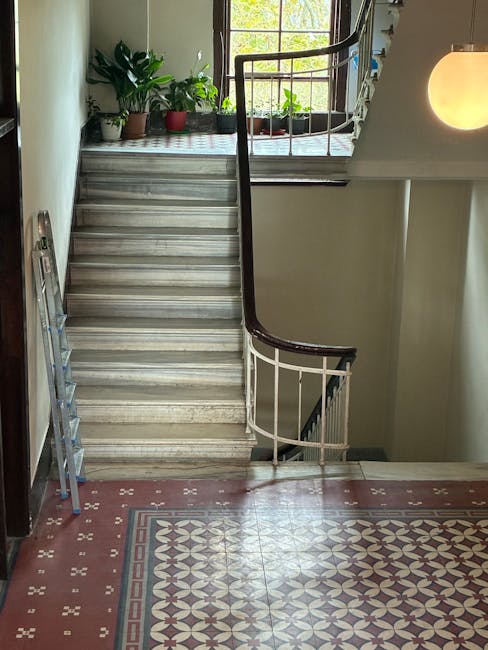
Stair access problems change everything. A move that would be straightforward in a ground-floor house can become slow, physically demanding, and surprisingly risky in a flat. In West Hampstead, that often means period conversions, split-level layouts, tight communal stairs, awkward landings, or staircases with turns that make a sofa look like it has been designed by a mischievous architect.
When access is difficult, the main challenge is not just the lifting. It is the combined effect of space, weight, angle, timing, and protection. A bulky wardrobe can scrape plaster. A bed frame can stall on a landing. A careless turn can create damage in seconds. And if the move is happening in a shared building, you also have neighbours to consider, which means keeping noise, delay, and blocked stairs to a minimum.
That is why specialist flat removals matter. They reduce the chance of damage, keep the move flowing, and make it easier to work around real-life constraints like parking, stairwell width, and building rules. If you are booking flat removals rather than a standard house move, this is exactly the kind of problem that needs to be planned in advance, not discovered at the front door.
Expert summary: The smoother the access plan, the safer the move. In stair-restricted flats, good preparation usually matters more than raw muscle.
How West Hampstead removals for flats with stair access problems Works
Most successful stair-access moves follow a simple logic: assess, plan, protect, lift, and check. Nothing glamorous, but it works. The process starts before moving day with a proper look at the property, usually through photos, a video walkthrough, or a detailed conversation about the layout.
For example, a first-floor flat with one narrow staircase and a tight hallway may need very different handling from a fourth-floor walk-up with turns on every landing. The team may decide to use smaller carrying loads, split certain furniture items down further, or schedule extra time so nobody is racing the clock while balancing a washing machine halfway down the stairs. Not ideal, obviously.
The practical side often includes:
- checking stair width and head height
- measuring long items such as mattresses, sofas, wardrobes, and tables
- identifying fragile points like glass panels, mirrors, or exposed corners
- planning the order in which items come out of the property
- protecting floors, banisters, walls, and door frames
- choosing the right vehicle, team size, and carrying method
Sometimes a dedicated removal van is enough. In other cases, you may need a larger vehicle or more than one run, especially if access slows loading. If the furniture is awkward, heavy, or valuable, the job may be better handled with a full removals service rather than a light-touch option.
The best teams are not rushed by the staircase. They adapt to it.
Key Benefits and Practical Advantages
When stair access is a problem, specialist planning gives you far more than convenience. It changes the whole risk profile of the move.
| Benefit | What it means in practice | Why it helps in stair-access moves |
|---|---|---|
| Less damage risk | Furniture and buildings are protected properly | Reduces scrapes, chips, and awkward impacts on narrow stairs |
| Better timing | More realistic move scheduling | Avoids panic when stairs slow the pace |
| Safer lifting | Items are carried with the right technique and support | Helps reduce strain and injury risk |
| Cleaner building access | Hallways and communal areas are treated with care | Useful in shared flats where neighbour relations matter |
| Fewer surprises | Problem items are identified early | Stops the move from stalling halfway through |
There is also a quieter benefit: confidence. People tend to relax once they know the move has been thought through properly. You can feel the difference when the crew arrives with a plan instead of a vague guess and a hopeful shrug.
For many households, using a flexible man and van option is enough for smaller flats, especially if access is tight but the volume is modest. For bigger moves, the added structure of removal services is often the better fit.
Who This Is For and When It Makes Sense
This kind of removal support is a good match if your flat has one or more of these issues:
- steep or narrow staircases
- tight corners on landings
- shared stairwells in converted buildings
- upper-floor flats with no lift
- low ceilings or awkward turns
- large furniture that cannot simply be tilted and walked out
It is also a sensible choice if you are moving with:
- fragile furniture
- heavy appliances
- student belongings packed in a hurry
- children's furniture, books, or boxed items that look light until you stack six of them
- valuable pieces that need careful handling
In practice, this service is often used by renters leaving period flats, homeowners downsizing from a conversion, and tenants moving between upper-floor apartments. It can also work well for people who have already measured the staircase and realised, with a small sinking feeling, that the sofa was perhaps a bit too ambitious.
If your move also involves a lot of packing, it may be worth combining access planning with packing and boxes or full packing and unpacking services. That way the team can coordinate the load order properly, which makes the stair section less chaotic.
Step-by-Step Guidance
A good stair-access move is not mysterious. It is mostly about sequence and discipline. Here is a practical version of how to handle it.
- Survey the access properly. Measure the staircase, note turns, and identify any narrow points. Check door widths too. The stair is only half the story.
- List the difficult items. Sofas, mattresses, bed bases, wardrobes, mirrors, and white goods usually need extra attention.
- Decide what should be dismantled. Many items move better in sections. A flat-pack wardrobe may be straightforward, but a fixed bed frame can be another matter entirely.
- Confirm parking and loading space. A perfect internal plan still fails if the vehicle cannot stop close enough.
- Protect the route. Cover floors, corners, and any vulnerable points in the stairwell and flat.
- Pack in move order. Put the most accessible and least fragile items out first unless the team advises a different sequence.
- Communicate building restrictions. Quiet hours, lift booking rules, or entry codes can all matter, even if they seem minor.
- Leave a little breathing room. Tight stair moves are slower by nature. If you plan them like a normal move, you will probably feel rushed.
A useful trick? Put a small label on anything awkward and mention it before the crew arrives. "Heavy but fragile", "needs two people", "won't turn on stair landing" - simple notes save time and reduce guesswork.
If you need a vehicle-sized solution for a flatter route or smaller load, man with van can be a practical way to keep the job nimble. For larger or heavier loads, a proper moving truck may be the smarter choice.
Expert Tips for Better Results
Here is where the difference between a merely okay move and a smooth one starts to show.
- Measure the stairs, not just the furniture. People often measure the sofa and forget the turning angle on the landing. That is the bit that catches everyone out.
- Prioritise the bulkiest item first. If the sofa or wardrobe will be the hardest thing to move, deal with it while the team is fresh.
- Keep corridors clear. Shoes, coats, recycling bags, and random last-minute boxes become obstacles very quickly.
- Wrap corners properly. Banisters and walls usually suffer because someone underestimates just how close the turn will be.
- Ask about insurance and handling standards. You want to know what cover is in place and how the team manages risk. That conversation is worth having early.
Another good one: photograph the stairwell before moving day. Not for drama, just for reference. If there is already a scuff on a wall or a very tight bend, you will know the starting point. Saves awkwardness later, and everybody likes that.
For awkward items like upright instruments, specialist handling matters even more. If your move includes a piano or similar heavy piece, it can be wise to consider dedicated piano removals rather than asking a general team to improvise on the stairs.
Common Mistakes to Avoid
Stair-access problems are often made worse by a few predictable mistakes. Avoid these and the move becomes much more manageable.
- Guessing the dimensions. "It should fit" is not a measurement.
- Leaving dismantling until the morning of the move. That is how stress multiplies.
- Ignoring communal access rules. In shared blocks, this can cause delays or complaints.
- Assuming every item can be carried upright. Some furniture moves diagonally, some doesn't. Some just refuses, frankly.
- Booking too little time. Narrow stairs slow even the best crew down.
- Not telling the movers about problem items. If the team is surprised by a massive bookcase at the top of the stairs, everyone pays for it in time.
One more thing: do not overpack boxes. Heavy boxes on stairs are miserable. You notice the weight on the third flight, not the first. That is usually where the bad decision becomes obvious.
If you are moving out of a student flat or shared apartment, the right sized service can help a lot. A lighter move may suit student removals, while a more complex household move may need a fuller package.
Tools, Resources and Recommendations
You do not need fancy equipment to prepare well, but a few simple tools make a real difference.
- Tape measure: for furniture, doorways, stair width, and landing turns
- Phone camera: to record access points and awkward corners
- Labels and marker pens: for boxes and fragile items
- Basic protective materials: blankets, wrap, and corner protection
- Spare bags: for screws, fittings, and loose parts after dismantling
It can also help to speak to a mover who understands both the property type and the local access patterns. In West Hampstead, that often means being ready for conversion flats, restricted parking, and shared entrances that are a bit less forgiving than you hoped. A local, practical approach matters more than a polished sales pitch.
For additional flexibility, some people combine move support with storage when the flat is not ready yet or when stair access means only part of the load can be moved on the day. That can reduce pressure in a way that feels very welcome, especially if keys are delayed or decorating runs over.
If you want to understand the wider service fit, browsing removal companies and comparing the way they handle access, care, and communication can be genuinely useful. Not all removals providers approach tricky stairs in the same way.
Law, Compliance, Standards, or Best Practice
For this kind of move, the main issue is not a niche law. It is safe working practice, sensible building conduct, and proper handling of people's property. In the UK, moving teams are generally expected to work with care, avoid causing preventable damage, and take reasonable steps to reduce the risk of injury.
In practical terms, that usually means:
- using safe lifting techniques and enough people for heavy items
- protecting floors, walls, and bannisters where needed
- communicating clearly about access, timing, and any restrictions
- handling customer property in line with agreed terms
- maintaining sensible insurance and safety procedures
If you are comparing providers, it is sensible to ask how they approach risk, whether they have clear safety procedures, and what happens if something goes wrong. That is not being difficult. It is just sensible adulthood, really.
You may also want to review the company's health and safety policy and insurance and safety information before booking. If you care about payments being handled securely, it helps to look at payment and security too. These pages give a clearer picture of how the business is run.
For peace of mind around service terms, it is also worth checking the terms and conditions so you know what is included, what is excluded, and how timing or access issues are handled.
Options, Methods, or Comparison Table
Different flats call for different approaches. The right choice depends on volume, access, and how much furniture needs special handling.
| Approach | Best for | Watch out for | Typical use case |
|---|---|---|---|
| Man with van | Smaller flats and lighter loads | May be less suitable for bulky furniture | One-bedroom flat with limited furniture |
| Full removals service | Most flats with access issues | Needs accurate planning to avoid delays | Upper-floor move with awkward sofa and bed frame |
| Truck-based move | Larger household loads | Parking and access need extra thought | Family-sized flat or multiple large items |
| Storage plus move | Delayed handovers or staged relocations | Requires extra coordination | Completion delay or renovation overlap |
For some people, a simpler man with a van arrangement is enough. For others, especially where the staircase is really the main problem, the structure and manpower behind house removals or a full flat move will make the experience much easier.
Case Study or Real-World Example
Picture a top-floor flat in a West Hampstead conversion. Narrow staircase, one sharp turn, and a shared entrance that everyone seems to pass through at the exact wrong moment. The main problem item is a three-seater sofa that looked manageable in the showroom and a bit less manageable now, standing at the bottom of the stairs in all its stubborn glory.
In a move like that, the successful approach usually looks like this: the team checks access before lifting, removes the sofa legs if possible, protects the stair edges, and brings the item up or down at an angle rather than trying to force it straight. The smaller items go first or last depending on the safest route. The whole job may take longer than a ground-floor move, but it avoids damage and keeps the mood steady.
The key lesson is simple. The move is not "hard" because the furniture is impossible. It is hard because the route is unforgiving. Once that route is understood, the job becomes far more predictable.
I have seen people assume they need to replace half their furniture after a move, only to find the issue was access planning, not the furniture itself. A bit of method goes a long way. It really does.
Practical Checklist
Use this checklist before moving day. It will save you a lot of back-and-forth.
- Measure the widest and narrowest parts of the stair route
- Check all door frames, not just the front door
- Identify furniture that may need dismantling
- Label fragile or heavy items clearly
- Arrange parking and access timing in advance
- Confirm whether communal areas need protection
- Keep stairwells and hallways clear of clutter
- Pack heavy items into manageable boxes
- Tell the mover about anything awkward before the day
- Review cover, terms, and payment details ahead of time
Quick reality check: if you cannot move an item around the staircase comfortably by hand with the door open, it probably needs a plan, not optimism.
Get a free quote today and see how much you can save.
Conclusion
West Hampstead removals for flats with stair access problems are all about making a difficult route feel manageable. The stairs may be awkward, the corners may be tight, and the building may be older than any of your furniture, but a careful plan turns that from a headache into a workable job.
The best outcome usually comes from honest assessment, realistic timing, and a mover who takes access seriously from the start. Once those pieces are in place, everything else gets easier: fewer delays, less stress, and a much lower chance of damage. That is the quiet win here.
If you are still deciding what level of help you need, take your time, measure properly, and choose the option that fits the flat rather than forcing the flat to fit the move. Little things like that make a big difference. And when moving day arrives, you will be glad you did the boring prep. Boring prep is often the hero.
Frequently Asked Questions
How do movers handle flats with very narrow stairs?
They usually start with measurements, then decide whether items need dismantling, extra protection, or a different carrying angle. In some cases, a larger item may need to be moved in parts. The aim is to reduce strain and avoid damage, not to push through blindly.
Can a sofa be moved down a stairwell in a West Hampstead flat?
Often yes, but it depends on the sofa size, stair width, and landing turns. Some sofas need the legs removed or the frame partially broken down. If the route is especially tight, the mover may recommend an alternative handling method.
Is a man and van service enough for stair access problems?
Sometimes it is, especially for smaller flats with lighter loads. But if you have bulky furniture, several heavy items, or a tricky staircase, a more complete removals service may be safer and more efficient.
What should I measure before booking?
Measure the furniture, the staircase width, the height of the ceiling on turns, door frames, and the landing space. If possible, also note any awkward features like handrails, pipes, or low light fittings. Those small details matter more than people expect.
Do I need to tell the mover about access issues in advance?
Yes, absolutely. The earlier the mover knows about narrow stairs or awkward turns, the better they can plan labour, equipment, and timing. Surprises on moving day usually mean delays, and nobody enjoys those.
What if my building has shared stairs and neighbours?
Then communication and care matter even more. Try to keep hallways clear, avoid blocking access, and follow any building rules. A considerate team will work around shared spaces without turning the move into a corridor takeover.
Can movers protect the stairs and walls?
Yes, good movers usually bring protective materials for floors, corners, and vulnerable surfaces. That said, the level of protection used will depend on the building and the items being moved. It is worth asking about this before you book.
What happens if an item will not fit?
If something cannot safely pass through the stair route, the team may suggest dismantling it further, moving it by a different method, or placing it into storage temporarily. That is one reason why good planning matters so much upfront.
How long do stair-access flat removals take?
They usually take longer than a standard flat move because every item has to be handled more carefully and the staircase slows the process. The exact timing depends on volume, access, and whether large furniture needs dismantling.
Should I pack differently for a stair-heavy move?
Yes. Keep boxes smaller and more manageable, especially for books or kitchen items. Heavy boxes on stairs are a bad mix. Pack with the carrying route in mind, not just the contents of the box.
Is it worth using storage if my flat move is complicated?
It can be, especially if your completion date is delayed or you are moving in stages. Storage can take pressure off the stair move by letting you split the job into smaller parts. For some people, that is the difference between chaos and calm.
How do I choose the right company for a difficult flat move?
Look for clear access planning, sensible communication, proper safety awareness, and transparent pricing. You want a team that asks the right questions before the move, not one that just says "yeah, should be fine" and hopes for the best.