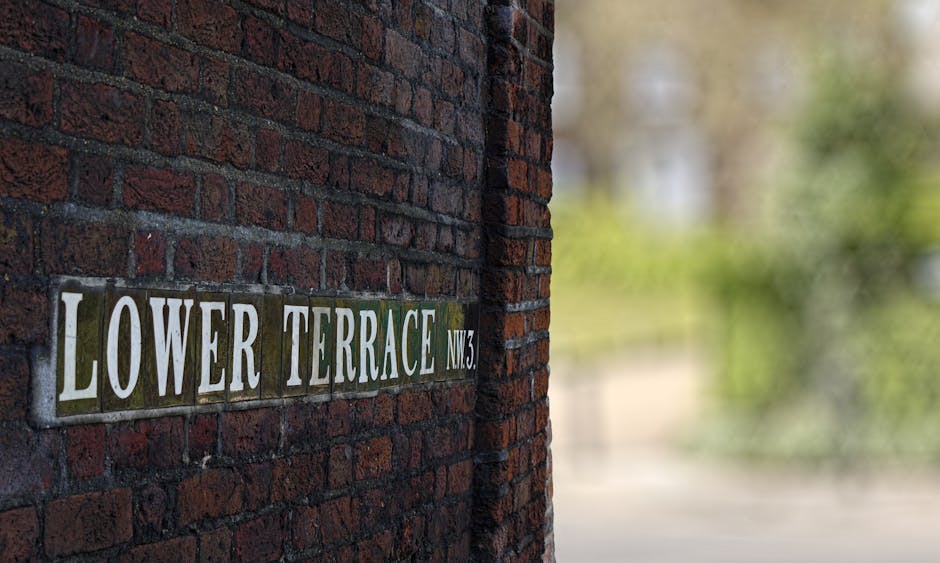
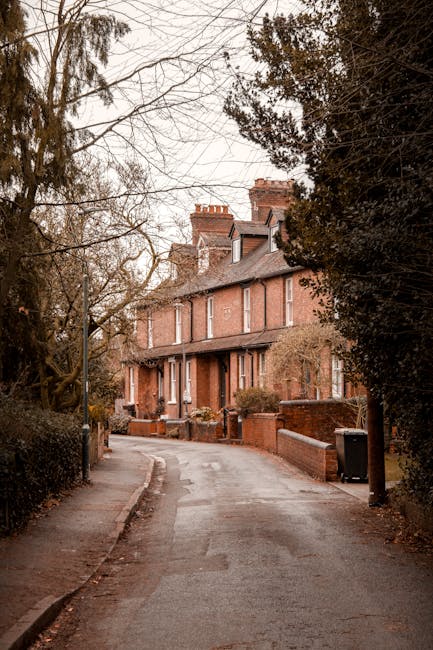
Fortune Green house removals guide for narrow streets
If you are moving home in Fortune Green, narrow streets can turn a straightforward removal into a very careful bit of logistics. A van that looks fine on paper may suddenly feel far too large once you meet parked cars, tight corners, low branches, and that one delivery truck blocking the road at the worst possible moment. This Fortune Green house removals guide for narrow streets is designed to help you plan properly, avoid the usual headaches, and understand what a well-run move should look like in a busy London setting.
Truth be told, the difference between a smooth move and a stressful one is often made before moving day even starts. Good access planning, realistic timing, sensible packing, and the right removal team matter a lot more on narrow streets than they do on wide, open roads. Below, you will find a practical, human guide that covers the what, why, and how in plain English.
Table of Contents
- Why narrow-street removals in Fortune Green matter
- How a narrow-street house removal works
- Key benefits and practical advantages
- Who this guide is for
- Step-by-step guidance
- Expert tips for better results
- Common mistakes to avoid
- Tools, resources and recommendations
- Law, compliance, standards, or best practice
- Options, methods, and comparison table
- Case study or real-world example
- Practical checklist
- Conclusion
- Frequently asked questions
Why Fortune Green house removals guide for narrow streets Matters
Fortune Green has the kind of residential character that many people love: period homes, compact terraces, shared access points, resident parking, and roads that were not exactly designed with large modern removal lorries in mind. That is not a criticism; it is just the reality of moving in a built-up part of London. And if you ignore that reality, the day can become slow, awkward, and more expensive than it needed to be.
Narrow streets affect almost every stage of the move. They change where a van can stop, how far the team has to carry furniture, how many trips are needed, and whether a parking suspension or temporary loading plan is worth arranging. They can also affect safety. Two people trying to manoeuvre a sofa past wing mirrors and front gates on a tight road? Not ideal. One bad turn is enough to create delays, and delays ripple through the whole schedule.
This is why a proper removal plan matters. It is not only about lifting boxes. It is about timing, route planning, access control, communication with neighbours, and making sure the move is realistic for the street itself. If you are comparing providers, it helps to choose a team that understands these pressures and communicates clearly. Pages like about the company and its health and safety approach can tell you a lot about how seriously a mover takes the practical side of the job.
Expert summary: On narrow Fortune Green streets, the best removals are usually the ones that are planned like a logistics exercise, not treated like a simple van-and-boxes job. That small shift in thinking can save hours on the day.
How Fortune Green house removals guide for narrow streets Works
A successful narrow-street removal usually starts with a survey of the property and the approach road. In simple terms, the mover needs to know what can be parked where, how close the vehicle can get, whether the pavement is wide enough for safe carrying, and whether any awkward items need extra handling. A piano, wardrobe, or American-style fridge can turn a normal move into a much more delicate operation.
In practice, the process often works like this:
- Access review: The team checks road width, turning space, parking restrictions, and the distance between the property and the vehicle.
- Load planning: Items are grouped so that the heaviest or most fragile pieces are handled in the right order.
- Parking strategy: The best stopping point is chosen, often with consideration for neighbours, pedestrians, and street traffic.
- Protection setup: Floor runners, furniture wraps, blankets, and edge protection are used to reduce risk.
- Loading and carry route: The team uses the safest path from front door to van, even if that means a slightly longer carry. Sometimes longer is better. Less wobbling, fewer scuffs.
- Delivery and placement: Items are unloaded in a planned order so they can be placed quickly and safely in the new home.
You will notice that the street itself becomes part of the moving strategy. On a wide road, the van is simply a vehicle. On a narrow road, it becomes part of the working space. That means the mover must think like a planner, not just a driver.
A good company will also talk honestly about the limits of access. If a full-size lorry is not appropriate, a smaller shuttle vehicle or a split-load approach may be a better fit. That sort of flexibility can matter more than a flashy sales pitch.
Key Benefits and Practical Advantages
When narrow streets are handled properly, you get benefits that are easy to underestimate until moving day arrives. The most obvious one is reduced stress, but the practical value goes much further than that.
- Less risk of damage: Fewer tight squeezes means fewer knocks to walls, doors, and furniture.
- Better time control: If the route and parking are sorted, the team can work at a steady pace instead of waiting around.
- Safer lifting: Shorter, clearer carry routes reduce the chance of slips and awkward twists.
- Less neighbour disruption: Good access planning means less blocking of pavements and less road friction, quite literally.
- More accurate quotes: When a mover understands access properly, pricing is usually more realistic and fewer surprises appear later. If you are at that stage, you may want to review pricing and quote information before booking.
- Better protection for belongings: Fragile items travel more safely when the loading sequence is organised and the carry path is clear.
There is also a psychological benefit. A well-organised move feels calmer. You hear less shouting, less thumping, fewer urgent phone calls from the street. To be fair, that alone can make the day feel ten times better.
And if you are moving with children, pets, older relatives, or anything precious and awkward, calm is not a luxury. It is the whole point.
Who This Is For and When It Makes Sense
This guide is for anyone moving from or into Fortune Green where access is tight, the street is busy, or the property layout makes loading difficult. That includes owners of terraced houses, maisonettes, flats with shared entrances, and homes where the front door opens almost straight onto the pavement. It also applies if there is no driveway, no nearby loading bay, or only limited stopping space.
It makes sense to pay close attention to narrow-street planning if any of the following are true:
- You live on a road with frequent parked cars on both sides.
- Your furniture includes large or fragile items.
- The property has stairs, split levels, or a tight hallway.
- You are moving on a weekday when traffic is heavier.
- There is limited room for a van to wait legally and safely.
- You are moving during school run hours, which can make everything feel a bit more compressed.
It is also useful if you are comparing professional removals against doing it yourself. A self-move can work on paper, but once you are trying to reverse a van into a narrow residential street while a neighbour wants to leave for work and someone else is walking a dog, the costs are not only financial. Time, stress, and risk all start to climb.
For customers who want the reassurance of clear service standards, it is sensible to look at supporting pages such as insurance and safety information and the company's terms and conditions. Not glamorous, perhaps, but very useful.
Step-by-Step Guidance
If you want the move to go well, the most useful thing you can do is break it into stages. Narrow streets reward preparation. They really do.
1. Measure access before you book
Check road width, gate width, front path size, stairs, and the distance from your front door to the nearest sensible parking spot. If you can, note where cars usually park and whether there are pinch points near corners or bends. Even a rough sketch can help.
2. Tell the mover about every awkward detail
Be specific. Mention low walls, tight turns, steep front steps, basement flats, and any oversized furniture. A good estimator needs the unpolished version, not the ideal version. A phrase like "the van can probably fit" is less useful than "there is space for a medium van for about 10 minutes before the road narrows."
3. Decide whether you need parking help
In some cases, there may be a need to arrange parking control, temporary loading space, or a carefully timed arrival. This is one of those things that sounds minor until it is missing. If the van cannot stop near the property, the carry becomes longer, and the schedule may need adjusting.
4. Declutter before packing
Less stuff means fewer boxes, fewer carries, and less pressure on a tight street. This is especially helpful for bulky items that are difficult to turn through hallways. A spare chair you have never loved? Maybe now is the time to let it go. No one will miss it, least of all the van crew.
5. Pack with access in mind
Use smaller boxes for heavy items such as books and larger but lighter boxes for bedding and soft goods. Keep essentials in one clearly labelled bag. On a narrow street, every extra minute counts, so you do not want to be hunting for chargers, medication, or kettle items halfway through the unloading process.
6. Protect the property and the street route
Door frames, banisters, floors, and corners should be protected properly. The path from house to vehicle often creates the most wear, especially in older properties where the hallway is already tight. Good teams take this seriously because scuffs happen in seconds.
7. Load in a planned order
Heavy, stable items are usually loaded first, with fragile or oddly shaped items placed where they will be less likely to shift. This is where experience matters. It is not just about fitting everything in; it is about fitting it in safely.
8. Keep the final walkthrough simple
Before leaving, do one last sweep of cupboards, loft spaces, under stairs, and window ledges. Narrow streets create enough pressure without forgotten items causing an awkward return trip.
Expert Tips for Better Results
Here are a few things that make a real difference, and they are often the bits people only learn after one stressful move too many.
- Choose a quieter moving window if possible. Early mornings are often calmer than mid-morning, especially on local residential roads.
- Ask for a realistic vehicle plan. Bigger is not always better. On a narrow Fortune Green street, a smaller vehicle plus efficient shuttling can beat a single oversized lorry.
- Stage boxes near the exit the night before. That small head start can save a surprising amount of time.
- Label fragile items on more than one side. When boxes are stacked in a hurry, the visible face may change. Small thing, big help.
- Keep hallways as clear as possible. Shoes, umbrellas, pet baskets, random bags - they all become trip hazards very quickly.
- Tell neighbours early if access will be tight. A short heads-up can prevent friction and makes the day feel less chaotic.
One practical observation from real moves: the smoothest jobs are rarely the ones with the fanciest equipment. They are the jobs where everyone knows the plan, the plan is realistic, and nobody is improvising on the pavement with a heavy wardrobe.
If you are unsure about the standards a provider follows, check support pages like health and safety policy and recycling and sustainability commitments. They help show whether the business is organised in a thoughtful way.
Common Mistakes to Avoid
Small mistakes can snowball fast on narrow streets. The good news? Most of them are avoidable once you know what to look for.
- Assuming any van will do the job. Street access is not a guess. It needs checking.
- Underestimating carry distance. An extra 30 metres does not sound like much until you are carrying a sofa down it.
- Leaving parking until the last minute. If stopping space is tight, you need a plan early.
- Not mentioning awkward furniture. Oversized wardrobes, beds, and appliances change the entire loading picture.
- Packing heavy boxes too full. It makes lifting harder and increases the chance of damage.
- Forgetting the weather. A wet pavement on a narrow street adds slip risk and slows everything down.
- Ignoring access inside the property. A narrow staircase can be just as important as a narrow road.
A classic mistake is to focus only on the postcode and not the actual street layout. Fortune Green is not one uniform access environment; some roads are easier than others, and two houses opposite each other can have completely different moving challenges. One may be straightforward, the other a bit of a puzzle. That is just how London goes sometimes.
Tools, Resources and Recommendations
You do not need a van full of gadgets to manage a narrow-street move, but a few practical tools and habits make life much easier.
| Tool or resource | Why it helps | Best used for |
|---|---|---|
| Measuring tape | Confirms widths, stair turns, and furniture clearance | Planning access and identifying obstacles |
| Floor runners and blankets | Protects flooring and furniture edges | Hallways, entrances, and tight staircases |
| Strong marker pens and labels | Makes boxes easier to sort quickly | Speeding up loading and unloading |
| Camera phone photos | Captures access issues visually | Sharing the property layout with the removal team |
| Utility bag with essentials | Keeps important items close at hand | First-night comfort and last-minute basics |
| Clear quote and service documents | Reduces confusion about timing, scope, and expectations | Booking and day-of coordination |
For planning and admin, it is also helpful to read a mover's privacy policy, payment and security information, and complaints procedure. These are not the exciting pages, admittedly, but they do show how the business handles your data, money, and service concerns.
If you want to move with less waste, put aside items for reuse, donation, or recycling before moving day. A company with a responsible approach will usually be happy to explain how it handles disposal and sustainability choices, and that can be a useful part of the conversation.
Law, Compliance, Standards, or Best Practice
For house removals in London, compliance is less about one single rule and more about a combination of sensible legal and operational duties. You are not usually dealing with a highly specialised regulatory process, but you are still dealing with road use, pedestrian safety, property protection, insurance, and fair treatment of everyone involved.
Best practice commonly includes:
- using appropriately sized vehicles for the street and access conditions
- avoiding unsafe blocking of roads or pavements
- protecting items and property during handling
- communicating timing clearly
- having suitable insurance arrangements in place
- handling customer information carefully and securely
- following practical health and safety procedures for lifting and carrying
It is also reasonable to expect transparent service terms, especially if access is difficult or if timing may change due to street conditions. You should always understand what is included, what might cost extra, and how the company handles any issues if the move does not go exactly to plan. Let's face it, sometimes the street wins. The question is whether the mover has a sensible process for dealing with that.
For that reason, it is worth reviewing a company's insurance and safety details, health and safety policy, and terms and conditions before you book. That does not guarantee perfection, of course, but it does help you judge professionalism.
Options, Methods, or Comparison Table
There is more than one way to handle a move on a narrow Fortune Green street. The best option depends on access, volume, and timing.
| Method | Best for | Pros | Trade-offs |
|---|---|---|---|
| Full-size removal van | Streets with enough width and turning room | Efficient loading, fewer transfer steps | May be difficult to park or manoeuvre |
| Smaller van with shuttle runs | Very tight streets or restricted parking | More flexible access, easier street positioning | May take longer and require extra coordination |
| Split-load approach | Moves with more items or complex access | Can reduce pressure on the road and property | Needs clear labelling and timing control |
| Self-move | Light moves with simple access | Potentially lower direct cost | Higher personal effort, more risk on narrow streets |
In many narrow-street cases, the smartest choice is not the biggest vehicle or the cheapest quote. It is the option that reduces friction at the property and keeps the day moving at a steady pace. That can mean a smaller van, more careful timing, or a company that understands how to work in constrained residential areas.
Case Study or Real-World Example
Here is a realistic example, kept general on purpose. Imagine a family moving from a first-floor flat in Fortune Green with a narrow entrance hall, a steep internal staircase, and roadside parking that fills up early. They have a sofa, a double bed, a dining table, several book boxes, and a few fragile kitchen items. Nothing dramatic, but enough to make the move feel crowded.
If they tried to handle it without planning, the likely outcome would be a slow load, a frustrated driver, and a lot of back-and-forth. Instead, the move is made easier by doing a few simple things: the most awkward items are measured in advance, boxes are packed by room, the van arrives at a quieter time, and the carry route is kept clear. The team protects the hallway, loads carefully, and keeps the order of items logical so that unloading is not a mess at the other end.
The move still takes effort. Narrow streets never make a move magical. But it becomes controlled rather than chaotic. And honestly, that is the win.
One small detail that often makes a difference: the family kept a kettle, cups, phone chargers, and bedding in a clearly marked essentials bag. At the end of a long day, when the boxes are stacked and the air smells a bit like cardboard and dust, that little bag feels like genius.
Practical Checklist
Use this checklist in the days before your move. It is simple, but it covers the parts people most often miss.
- Measure the front door, hallway, stairs, and any awkward corners.
- Check where a van can legally and safely stop.
- Tell the mover about narrow streets, parked cars, and access issues.
- List large or fragile furniture separately.
- Pack heavy items into smaller boxes.
- Label boxes by room and mark fragile items clearly.
- Set aside essentials for the first 24 hours.
- Protect floors and vulnerable edges inside the property.
- Notify neighbours if access may affect them.
- Review quote details, terms, and safety information before confirming.
- Keep keys, phone, and paperwork in one easy-to-reach place.
- Allow extra time. Always a bit more than you think.
Quick practical takeaway: if you do only three things well, make them access planning, realistic packing, and clear communication. Those three alone solve a surprising number of problems.
Conclusion
Moving house in Fortune Green does not have to be stressful just because the streets are narrow. The challenge is real, but it is manageable with the right planning and the right approach. Once you understand how access, timing, parking, and loading all connect, the move becomes much easier to control.
The best results usually come from simple habits done well: measure properly, share accurate details, choose the right vehicle strategy, and work with a removal team that understands the practical realities of London streets. That is where the difference lies. Not in fancy language, but in calm execution.
Get a free quote today and see how much you can save.
And if you are still at the decision stage, trust your instincts. A good mover should make the process feel clearer, not harder. That calm feeling at the start is usually a good sign.
Frequently Asked Questions
How do house removals work on narrow streets in Fortune Green?
They usually start with access planning. The mover checks where a vehicle can stop, how far items must be carried, and whether a smaller van or shuttle approach would be better. The goal is to keep the move safe, efficient, and realistic for the street conditions.
Should I measure the street before booking a removal company?
Yes, if you can. Even basic measurements and a few photos help. Knowing the width of the road, the front path, and any tight turns makes quote accuracy much better and helps avoid problems on the day.
What happens if a large van cannot fit on my street?
A smaller vehicle, shuttle runs, or a split-load approach may be used instead. The right answer depends on the property, the furniture, and the amount of available stopping space. A good mover will explain the options clearly.
Are narrow-street removals more expensive?
They can be, but not always. If access is harder, the job may take longer or require a different vehicle strategy, which can affect cost. The fairest outcome is a quote that reflects the actual access conditions rather than a guess.
Do I need parking help for a move in Fortune Green?
Sometimes, yes. If parking is limited or the street is busy, it may help to plan stopping space in advance. The exact approach depends on the road and the day of the move, so it is worth discussing early.
How far in advance should I arrange my removal?
As early as possible, especially if you are moving in a constrained area or at a busy time of year. More notice usually means better planning, better vehicle allocation, and less last-minute pressure.
What items are hardest to move on narrow streets?
Large wardrobes, sofas, beds, fridges, pianos, and awkwardly shaped furniture are often the hardest. They require more space, more careful turning, and better protection during the carry.
Can I do a DIY move on a narrow Fortune Green street?
You can, but it is often harder than expected. Tight parking, traffic, and carrying distance can make DIY moving slow and tiring. For many households, using professionals reduces risk and makes the day less chaotic.
What should I ask a removal company before booking?
Ask about access planning, vehicle size, insurance, timing, protection for floors and furniture, and what happens if the street layout turns out to be trickier than expected. Clear answers usually signal a well-run service.
How can I protect my home during the move?
Clear the hallway, use floor protection if needed, remove trip hazards, and make sure corners and door frames are covered. A careful crew will usually bring the right protection materials, but it helps to prepare the space too.
What if the weather is bad on moving day?
Rain makes narrow-street moving more awkward because pavements can become slippery and boxes can get damp. It is sensible to use waterproof covers, keep an eye on the route, and allow extra time. A bit of weather resilience goes a long way.
How do I get a quote for a narrow-street house move?
Use the company's quote process and provide detailed access information, including street width, parking conditions, furniture sizes, and any stairs or tight turns. If you want to understand the service side first, the company's pricing and quotes page is a useful place to start, and you can always follow up through the contact page.