Camden Council removal permits what West Hampstead movers need
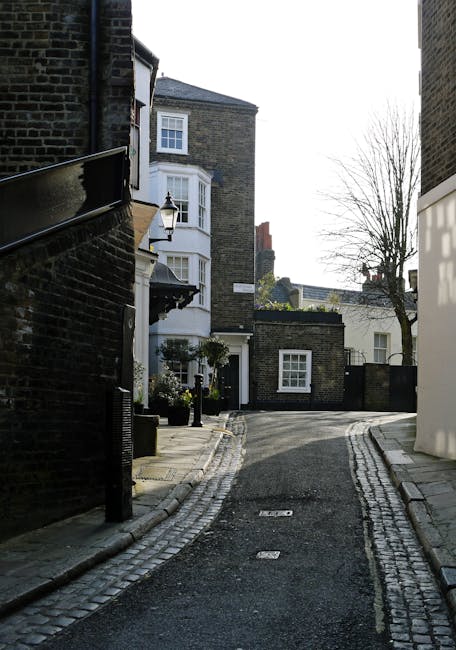
If you are moving in or out of West Hampstead, Camden Council removal permits can make the difference between a smooth moving day and a stressful one. In a place where parking is often tight, streets can be busy, and loading space disappears fast, the permit question is not just a box to tick. It affects timing, access, and whether your movers can actually get the van close enough to the front door.
This guide explains Camden Council removal permits what West Hampstead movers need in plain English: when a permit may be required, how the process usually works, what movers and customers should check before move day, and how to avoid the awkward last-minute scramble. Truth be told, that scramble is what usually causes the headaches. Not the lifting. Not the boxes. The parking.
Along the way, you will also find practical tips for flats, houses, office moves, and short-notice relocations, plus a simple checklist you can use before the removal van turns up. If you want a broader look at planning a move, it can also help to review professional removals and home moving support before you finalise your date.
Why Camden Council removal permits what West Hampstead movers need Matters
West Hampstead looks straightforward on a map. On the ground, it is a different story. Streets can be narrow, parking bays can be limited, and a large removal van parked in the wrong place can block traffic, upset neighbours, or create a costly delay. That is why permits matter. They are not an admin extra; they are part of the logistics.
For movers, a permit helps secure lawful, predictable access for loading and unloading. For customers, it reduces the risk of a move running over time because the vehicle had to park half a street away. And for everyone involved, it cuts down on friction with wardens, residents, and building managers. You can almost hear the difference on the day: less shouting, less reversing, fewer "just one more minute" conversations in the rain.
It is also worth remembering that removal work is usually time-sensitive. If you are moving out of a flat, closing a property sale, handling a tenancy handover, or shifting office equipment before staff arrive, a parking delay can ripple through the whole day. The permit question is often the hidden reason a move feels calm or chaotic.
Expert summary: If your van needs to stop close to the property, and there is any doubt about legal loading space, assume the parking plan needs checking early. That one step can save a lot of unnecessary stress.
How Camden Council removal permits what West Hampstead movers need Works
In practical terms, a removal permit usually relates to where the vehicle can stop, how long it can stay there, and whether any suspension or special parking arrangement is needed for the move. The exact rules depend on the street, the parking controls, and the time of day. Some moves only need careful use of existing loading areas. Others may need an approved parking suspension or temporary arrangement.
The important thing is not to guess. A mover who says, "We'll just wing it," is not being reassuring. They are being optimistic in the wrong way. The better approach is to review the address, look at the access, and identify whether the van can reasonably load or unload without blocking an active restriction.
For most customers, the process is simple in concept:
- Check the move date and property type.
- Review whether there is legal space to park near the entrance.
- Confirm whether the building, street, or council controls affect loading.
- Arrange the right parking solution in advance if needed.
- Keep paperwork and timing details ready for move day.
Movers who handle this well tend to ask a few practical questions early: Is it a flat or a house? Is there a lift? Is there a bay outside? Is the road one-way or heavily parked? Are there neighbours, school traffic, or timed restrictions to work around? These details sound small. They are not.
If you are comparing moving support, services such as flat removals or man and van support can be useful when access is tight and the move needs a lighter, more flexible setup.
Key Benefits and Practical Advantages
There are a few clear reasons why planning for Camden Council removal permits pays off.
- Closer access to the property: A van near the entrance means shorter carrying distances, which is especially helpful for heavy furniture, boxed books, and awkward items.
- Less time lost to parking issues: If a vehicle is circling the block or moving on request, the whole schedule suffers.
- Lower risk of penalties or disputes: A valid parking arrangement helps avoid unnecessary enforcement problems.
- Smoother coordination with lift bookings and building access: In flats and managed buildings, everything tends to run on a narrow clock.
- Better safety: Fewer rushed carries, fewer crossed wires with pedestrians, and less temptation to unload in a bad spot.
There is also a commercial benefit for movers themselves. A well-planned permit setup helps teams work more efficiently, keep the client informed, and reduce the chance of dragging a move into overtime. That matters whether the job is a simple two-room flat or a full house removal.
And yes, it can reduce stress in ways that are hard to measure. A customer who sees the van parked neatly and legally tends to relax a bit. You can feel it. The day starts with more confidence.
Who This Is For and When It Makes Sense
Not every move needs the same level of parking planning. Some do. Some absolutely do. If any of the scenarios below sound familiar, permits or parking arrangements should be part of the conversation from the start.
- Flat moves in busy streets: If you live in an apartment block, especially with limited road space or controlled parking, this is often where permit planning becomes essential.
- House moves on restricted roads: Even a house move can be tricky if the road is narrow or continuously parked.
- Office relocations: Business moves often happen on tighter schedules and may need careful access planning to avoid disruption.
- Student moves: Short-term rentals and shared properties often have poor parking and no dedicated loading space.
- Piano or heavy-item moves: When you are moving something bulky, you want the van as close as possible. No one wants to carry a piano case down the road in drizzle. Nobody.
If your move is very small and the van can stop safely without parking restrictions getting in the way, a lighter option such as removal van or man with van services may be enough. For larger jobs, a full team and vehicle setup is usually smarter.
It also makes sense to think about permits when your move is happening during peak traffic periods, near school drop-off times, or on a day when street parking is already under pressure. In West Hampstead, that is more common than people expect.
Step-by-Step Guidance
Here is a practical way to handle the permit and access side of your move without overcomplicating things.
-
Confirm the moving address and street conditions.
Check whether the road has bays, yellow lines, loading restrictions, or a low-traffic layout. A quick look outside can tell you a lot, but do not stop there.
-
Decide what kind of vehicle is being used.
A small van, medium van, and large removal truck will all create different parking needs. What works for a compact vehicle may not work for a larger load.
-
Identify the time window.
Morning moves can be easier for access, but they may also overlap with commuter traffic. Later moves may be calmer, though not always. There is no perfect slot, just better and worse ones.
-
Check whether the building adds extra rules.
Some blocks require lift bookings, porter access, or advance notice to management. These building rules matter just as much as street parking.
-
Build in contingency time.
If parking is uncertain, leave space in the plan. The schedule should not be so tight that one parked car causes a cascade of delays.
-
Keep move-day contact details handy.
If the driver needs to coordinate with you or the building manager, make that easy. A lost phone number on moving day is a small disaster in disguise.
If you need packing help as well as transport, packing and boxes and packing and unpacking services can take pressure off the day before the move, when most people are already running on tea and nerves.
A simple rule of thumb
If the move requires a vehicle to stop in a controlled or contested area, treat parking as part of the job scope, not as an afterthought. That is the cleanest way to avoid last-minute confusion.
Expert Tips for Better Results
In our experience, the best moves are rarely the ones that feel dramatic. They are the ones where the boring bits were handled properly. The permit and access planning falls into that category.
- Measure access, not just distance: A van may be physically close to the building but still awkward if a gate, bollard, or stairwell slows the carry.
- Use the smallest practical vehicle: Bigger is not always better. Sometimes a more compact vehicle gives you easier parking and faster loading.
- Prioritise heavy items first: If access is likely to be limited, move the hardest items early while everyone has energy.
- Prepare the property before the vehicle arrives: Hallways cleared, labels visible, and a lift ready if one exists. Small stuff, huge difference.
- Keep neighbours in mind: A quick heads-up can help, especially in a terrace, mansion block, or shared driveway situation.
Another smart move is to think beyond the moving day itself. If you are not taking everything with you straight away, temporary storage can help avoid pressure on the schedule, especially if keys, completion, or access times are uncertain.
And if you are trying to balance cost against convenience, ask whether one larger, well-organised move is better than two frantic trips. It often is. Not always, but often.
Common Mistakes to Avoid
A lot of permit trouble comes from a few repeat mistakes. The good news is they are easy to avoid once you know what to look for.
- Leaving parking planning until the week of the move: By then, the best options may be gone.
- Assuming the van can "just stop for a minute": That assumption can become an expensive problem fast.
- Forgetting that flats and houses have different access patterns: A ground-floor flat with a side entrance is not the same as a fourth-floor apartment with a narrow stairwell.
- Underestimating loading time: If you have a lot of boxes or furniture, the vehicle needs more than a quick roadside stop.
- Not checking for loading bay conflicts: A bay may exist, but it may be shared, time-limited, or not suitable at your hour of arrival.
- Failing to coordinate with your movers: The driver and the customer should be working from the same plan. It sounds obvious. It still gets missed.
There is also a common mindset issue: people think the permit is the problem, when actually the problem is the lack of a plan. Once you have the plan, the permit question becomes much easier to manage.
Tools, Resources and Recommendations
You do not need a stack of fancy tools to manage a move well. What you do need is a simple set of information that everyone can trust.
- Property details: full address, floor level, lift access, rear entrance, or any gate codes.
- Vehicle details: approximate van size, whether a larger truck is involved, and where it will need to stop.
- Item list: bulky furniture, fragile items, white goods, or anything unusually heavy.
- Time plan: collection window, key handover time, and whether the property must be vacated by a certain hour.
- Service scope: just transport, or full packing, unpacking, and loading help too.
If you are comparing service levels, it can help to look at removal services, removal companies, and larger vehicle options such as moving truck or removal truck hire. The right choice depends on access, volume, and how much lifting you want the team to handle.
For business customers, commercial moves and office removals often need stricter timing and quieter coordination because staff, clients, or deliveries may still be active around the building.
Law, Compliance, Standards and Best Practice
Removal permits and parking arrangements sit within a wider framework of UK moving practice, local parking controls, and general safety responsibilities. The exact council process can vary, so it is better to treat the address-specific rules as the final word rather than assuming a one-size-fits-all approach.
From a best-practice point of view, movers should aim to:
- avoid blocking traffic or footways unnecessarily;
- keep loading activity as efficient as possible;
- work within parking restrictions and timing rules;
- communicate clearly with the customer and, where relevant, building management;
- use safe lifting and loading methods to reduce risk of damage or injury.
Good movers also keep insurance and safety front of mind. That is not just paperwork. It gives reassurance when something unexpected happens - a scratched banister, a tight stairwell, a sudden change in access, all the ordinary chaos that makes moves feel more human than planned.
If you want to understand the company's approach to these issues, it is sensible to review insurance and safety as well as the health and safety policy. For payment clarity, payment and security and terms and conditions are also worth a look before booking.
Options, Methods, and Comparison Table
Different moves need different access solutions. Here is a straightforward comparison to help you decide what fits best.
| Option | Best for | Strengths | Watch-outs |
|---|---|---|---|
| Small van / man and van | Light flats, student moves, smaller loads | Easier parking, flexible access, often quicker in tight streets | May need multiple trips if the volume is underestimated |
| Standard removal van | Typical household moves | Balanced size, good for mixed furniture and boxes | Parking still needs checking in busier streets |
| Removal truck | Larger homes, full relocations, office jobs | Handles bigger volumes in fewer runs | Harder to park, more sensitive to access restrictions |
| Full packing and unpacking service | Busy households, time-pressed moves, fragile items | Reduces stress and can speed up the loading process | Needs more coordination and clear labelling |
If you are moving a smaller property and want a leaner setup, a flat removal or student removals service may fit better than a large vehicle package. On the other hand, if the furniture is substantial or awkward, do not undersize the vehicle just to save a bit of money. That tends to backfire.
Case Study or Real-World Example
Imagine a second-floor flat in West Hampstead, with a narrow street, no private driveway, and a moving window late on a weekday morning. The customer has boxes, a bed, a sofa, a small dining table, and a few fragile items wrapped in blankets. On paper, it looks manageable. In reality, the access is the real puzzle.
The sensible approach is to check whether the van can stop close enough for efficient loading, then decide whether a parking arrangement is needed. If the vehicle can only legally stop far from the building, the moving time expands quickly. Every extra minute matters, especially if lifts, neighbours, or building access are involved.
In a case like this, a well-planned move might use a smaller or medium-sized van, book the right parking solution if required, and organise the boxes by room before the team arrives. That means less time on the pavement, less carrying back and forth, and less chance of someone standing in the hallway asking, "Is this the last box?" for the fifth time.
The difference is not glamorous. It is practical. And practical is what keeps a move calm.
Practical Checklist
Use this checklist in the run-up to moving day. It is simple, but it catches most of the problems people later wish they had spotted sooner.
- Confirm the full moving address and access details.
- Check whether the street has parking controls, loading restrictions, or limited stopping space.
- Decide whether the vehicle size fits the location.
- Check if the property is a flat, house, office, or student let.
- Ask about lift access, stairs, gates, and door codes.
- Prepare any building booking requirements in advance.
- Label boxes clearly and separate fragile items.
- Keep your phone charged and on hand on move day.
- Leave buffer time for delays, traffic, or access issues.
- Review insurance, payment, and terms before booking.
If the move also involves furniture that is not coming with you, a quick look at furniture removals or furniture pick-up can help you split responsibilities cleanly rather than stuffing everything into the same day.
Conclusion
For West Hampstead moves, Camden Council removal permits are not just a parking issue. They are part of the moving strategy. Get the access right, and everything else becomes easier: the loading, the timing, the safety, and the mood in the room. Get it wrong, and even a simple move can turn into a slow, expensive slog.
The smartest approach is to check the street conditions early, size the vehicle properly, and line up the right moving support before move day arrives. That is especially true if your property sits in a busy block, on a narrow road, or in an area where parking changes quickly throughout the day. A calm move is usually a planned move, not a lucky one.
Get a free quote today and see how much you can save.
And if you are still weighing up the best support for your move, take a moment to review the company's about us page. A little reassurance goes a long way when you are trusting someone with your home, your furniture, and a fairly emotional day.
Moving is rarely anyone's favourite chore. But done properly, it can be orderly, almost quiet, and yes, a bit of a relief.
Frequently Asked Questions
Do West Hampstead movers always need a Camden Council removal permit?
Not always. It depends on the street, the parking restrictions, the size of the vehicle, and whether loading can happen legally and safely without blocking traffic. Some moves only need careful planning, while others need a formal parking arrangement.
How early should I check parking for my move?
As early as possible. Ideally, parking should be reviewed as soon as you know the moving date and address. The earlier you check, the more options you usually have, especially in a busy area like West Hampstead.
What happens if the van cannot park outside my property?
The movers may need to park further away, which increases carry time and can affect the whole schedule. In some cases, that is manageable. In others, it makes a strong case for a different vehicle size or a better parking setup.
Is a removal van better than a larger truck in Camden streets?
Sometimes, yes. Smaller vehicles can be easier to place in restricted streets and may make the move quicker overall. A larger truck can be better for bigger loads, but it needs more careful parking planning. It is a trade-off.
Do flats usually create more permit problems than houses?
Often they do, because flats are more likely to be in blocks with shared access, limited loading space, or managed parking. That said, some houses on narrow roads can be just as tricky. The street matters more than the property type alone.
Should I tell my movers about parking restrictions before booking?
Yes. It helps them choose the right vehicle, estimate timing more accurately, and advise whether the move needs extra preparation. A few minutes of honest detail can prevent a lot of unnecessary friction later.
Can a short-notice move still be organised properly?
Yes, but the margin for error is smaller. If you are booking at short notice, give the movers full access details immediately so they can make the best possible plan. Services like same day removals can be helpful when timing is tight.
Do office moves need the same permit checks as home moves?
Yes, and sometimes more. Office relocations can involve larger vehicles, time-sensitive loading, shared entrances, and building rules. It is sensible to plan access carefully and not assume the street will be easy just because the move is commercial.
What if I only have a few boxes and one or two pieces of furniture?
Then a lighter service may be enough. A flexible smaller vehicle, or a man with a van approach, can be more practical than booking a bigger removal setup you do not need.
How do I reduce the risk of delays on move day?
Clear the access route, confirm parking in advance, label everything, and keep the moving plan simple. If possible, have a backup space ready for temporary loading. Also leave a bit of breathing room in the schedule. That little buffer saves lives. Well, not literally, but it saves moods.
Are permit issues the mover's responsibility or mine?
It depends on the agreement and who is handling the booking, but the safest approach is shared responsibility. The customer should provide accurate property and access details, while the movers should advise on what vehicle and parking setup is sensible.
Where should I start if I want help with the full move?
Start with the services that match your move size and access needs. For example, you might look at removal services, house removals, or office relocation services depending on what you are moving. If the details are a bit messy, that is normal. A good plan can tidy them up quickly.
What should I do if I am unsure whether a permit is needed?
Give the movers the full address, photos if useful, and any known parking restrictions. If there is still uncertainty, treat the issue as important rather than minor. A cautious approach is usually the better one when access is tight.